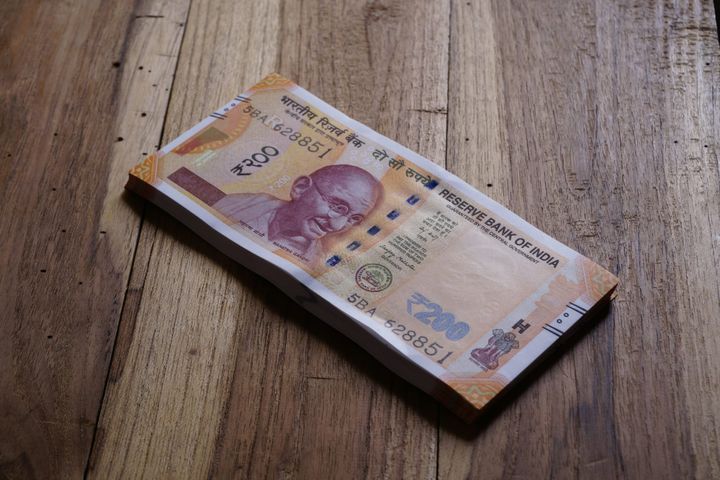
what fees or hidden costs should I look out for when taking a quick cash loan?
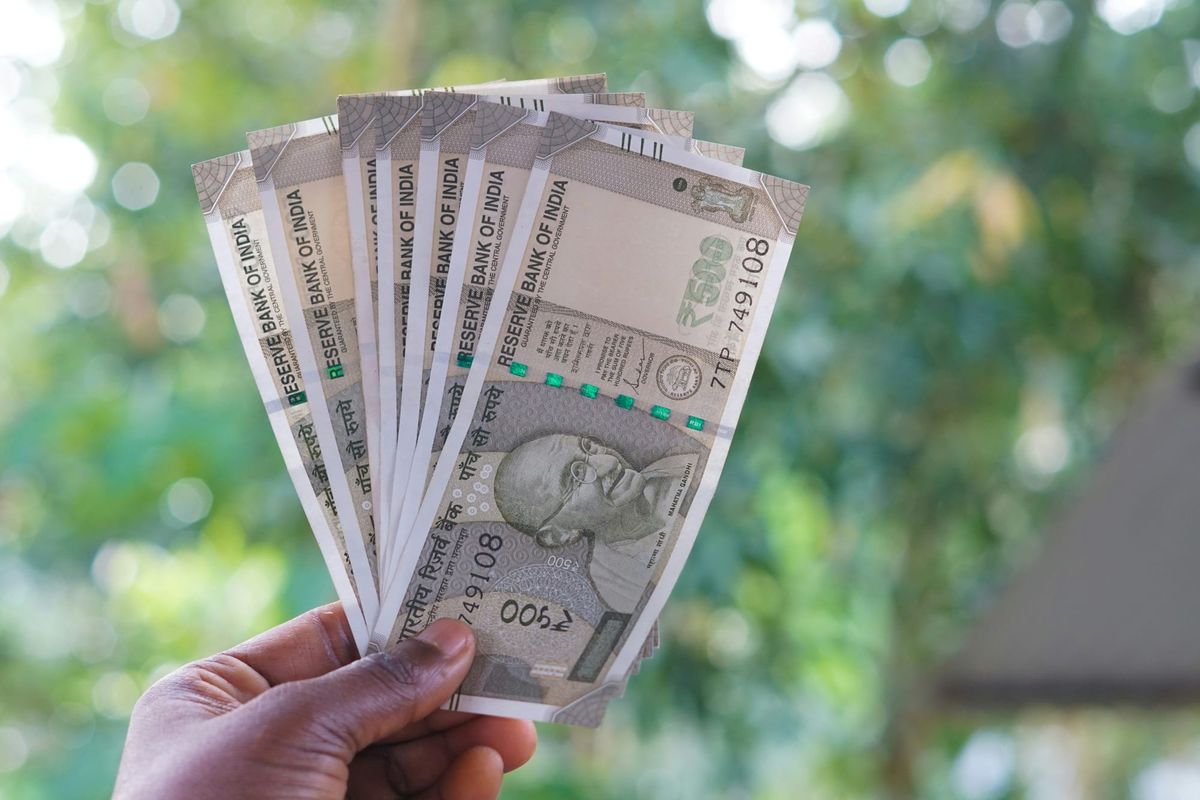
a quick cash loan looks simple. a few taps on the phone, a permanent account number (PAN) number, a selfie, and the money arrives in hours. that convenience is exactly what has made digital lending popular.
but borrowers often realise later that the amount received and the amount repaid are not the same.
the real cost of borrowing is not just the interest rate. processing fees, prepayment penalties, GST, and other charges can add up significantly. some are disclosed in the fine print. others are not. here is what to look for.
processing fees
banks and non-banking financial companies (NBFCs) charge a processing fee for setting up the loan. this typically ranges from 1% to 3% of the loan amount.
the fee is often deducted upfront before the loan is disbursed. a ₹20,000 loan approved on an app may credit only ₹18,500 or ₹19,000 to the bank account. the repayment schedule, however, is calculated on the full sanctioned amount.
this is the first place the borrower should check. the disbursed amount should match the sanctioned amount minus the disclosed processing fee. if the gap is larger, there are other charges being deducted.
GST on processing and other fees
goods and services tax (GST) applies to processing fees and foreclosure charges at 18%.
the interest paid on the loan is not subject to GST. neither is the principal. but the fees are.
a ₹10,000 processing fee becomes ₹11,800 after GST. a ₹5,000 foreclosure charge becomes ₹5,900. these numbers add up and should be factored into the total cost.
prepayment and foreclosure charges
closing the loan before the tenure ends can attract a penalty. this ranges from 2% to 5% of the outstanding principal, depending on the lender and the number of equated monthly instalments (EMIs) already paid.
for fixed-rate personal loans, prepayment charges continue to apply. in some cases, the charge can be as high as 7% of the outstanding amount.
the Reserve Bank of India (RBI) has barred prepayment charges on qualifying floating-rate loans for individual, non-business purposes, starting january 1, 2026. the protection does not extend to fixed-rate loans. the borrower should check the loan agreement to see which category applies.
late payment penalties and bounce charges
missing an EMI attracts a late payment penalty. this is typically 2% to 4% of the overdue amount, or a fixed fee of ₹500 to ₹1,500 per instance.
if the EMI bounce is due to insufficient funds, the bank charges ₹500 to ₹1,000 per bounce, plus GST. multiple bounces can also lower the credit score.
insurance charges
lenders often offer loan protection insurance to cover EMI payments in case of job loss, disability, or death. the premium can range from ₹5,000 to ₹15,000 or more.
this is not mandatory. but some banks include it as a default option, and the borrower has to unselect it to remove it. that detail is easy to miss during a hurried application.
the real cost of instant digital loans
instant loans are expensive. the annualised interest rate ranges from 10% to 24% for regulated lenders, but the effective annual cost can be materially higher once processing fees, platform fees, GST, and short tenures are included.
short tenures quietly increase the cost. a loan with a 15-day repayment period and a 3% processing fee has an annualised cost that is far higher than a loan with a 12-month tenure at the same rate. borrowers who are rushing through the application often miss this.
some borrowers take a second loan simply to repay the first. that is a debt trap.
what to check before accepting
the RBI has tightened digital lending rules and now requires lenders to provide a key fact statement (kfs) that discloses the total cost of the loan upfront. this should include:
- the annual percentage rate (APR)
- the total repayment amount
- all charges including processing fees, GST, and prepayment penalties
the borrower should verify that the lender is RBI-regulated or partnered with an RBI-registered bank or NBFC. absence of the kfs or incomplete cost clarity is a red flag.
checklist of fees to ask about
before taking a quick cash loan, the borrower should ask:
- what is the processing fee and is GST applicable on it?
- what is the total amount that will be credited to the account?
- what is the total amount that must be repaid?
- what is the annual percentage rate (APR), not just the monthly interest?
- is there a prepayment charge and how much is it?
- what is the late payment penalty?
- is there insurance and is it optional?
- who is the actual lender a bank, NBFC, or an unregulated app?
frequently asked questions
- what are the most common hidden charges on a quick cash loan?
the most common charges are processing fees (1 to 3% of the loan amount), prepayment or foreclosure charges (2 to 5% of the outstanding amount), late payment penalties, GST at 18% on fees, and insurance premiums that are often added without explicit consent.
- do instant loan apps have to disclose all charges upfront?
under RBI's digital lending guidelines, regulated lenders must provide a key fact statement upfront that details the annual percentage rate and all charges. incomplete disclosure or absence of this statement is a red flag.
- what is GST on personal loans and which components attract it?
GST at 18% applies to processing fees and foreclosure or prepayment charges. the interest component and the principal repayment do not attract GST.
- can I prepay a quick cash loan without paying a penalty?
for floating-rate personal loans for individual, non-business purposes sanctioned on or after january 1, 2026, the RBI has barred prepayment charges. for fixed-rate loans, charges may still apply depending on the lender's policy.
- how can I avoid hidden charges on a quick cash loan?
read the key fact statement and loan agreement carefully. ask for the total amount that will be credited, the total repayment amount, and a breakdown of all fees. verify that the lender is RBI-regulated. do not rush through the application.