what CIBIL score is required for a personal loan? eligibility explained
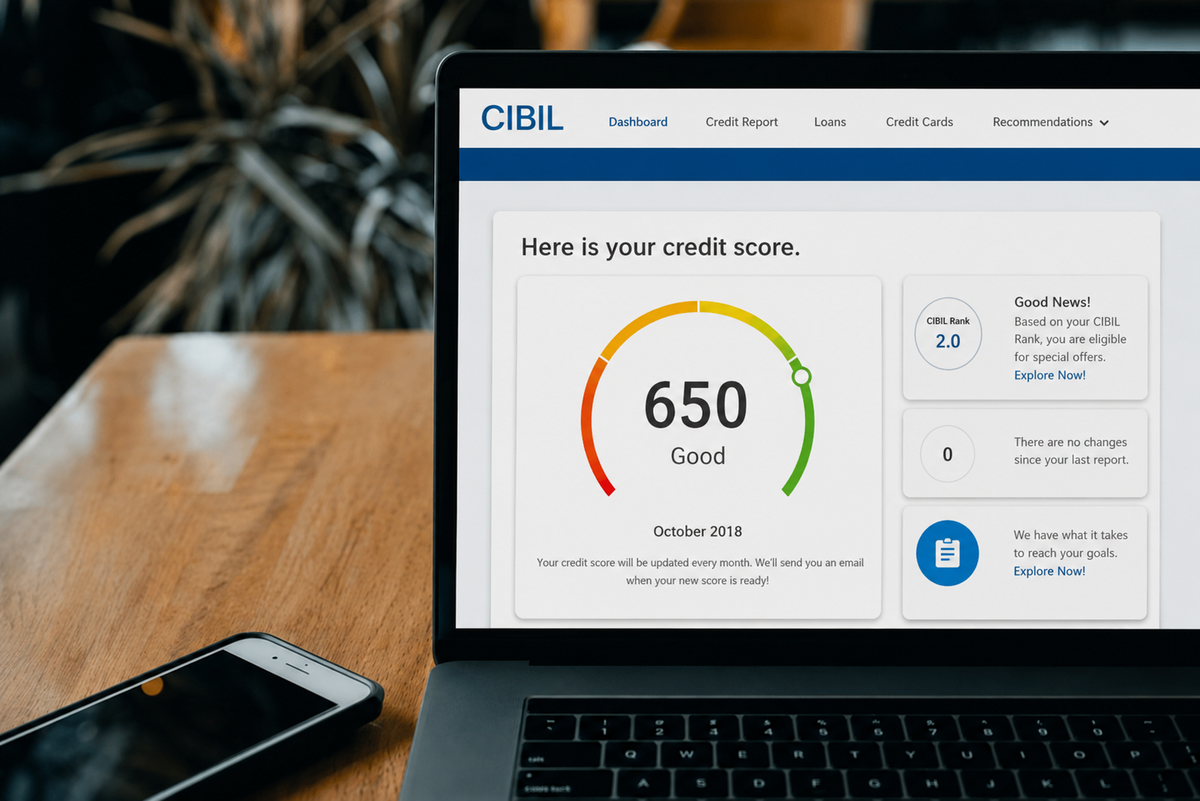
CIBIL score is a three-digit number between 300 and 900. it summarises credit history and repayment behaviour, and lenders use it to assess how likely a borrower is to repay on time.
a high score reflects financial discipline. a low score signals higher risk. scores above 700 are generally considered good.
the score is calculated from repayment history, credit utilisation, credit mix, and recent credit inquiries. checking it before applying reduces the risk of rejection and strengthens the borrower’s position on terms.
what score do lenders actually look for
most banks and non-banking financial companies (NBFCs) prefer a credit information bureau (India) limited (CIBIL) score of 750 or higher. IDFC FIRST Bank considers 710 as the minimum threshold, while HDFC Bank prefers 750+.
here is what different score ranges mean in practice:
| CIBIL Score | what It Means | approval Chances | what to Expect |
|---|---|---|---|
| 750 to 900 | excellent credit behaviour | very high | best rates, quick approvals, higher loan amounts |
| 700 to 749 | good credit profile | high | approval likely, competitive rates |
| 650 to 699 | fair credit profile | moderate | approval possible, but rates are higher |
| 550 to 649 | below average | low | limited options; may need co-applicant |
| below 550 | poor | very low | rejection likely, or very high rates |
these are general guidelines. lenders also look at income, employment stability, existing debt, and repayment capacity. a high score does not guarantee approval if other factors are weak.
how the CIBIL score affects a loan
interest rate
this is where the score makes the biggest difference. a score above 750 gets the lowest rates starting around 10.5% to 11% per annum. a score between 700 and 749 qualifies for slightly higher rates. below 700, rates climb significantly.
loan amount
higher scores lead to higher loan amounts. lenders are comfortable offering more to borrowers with a proven track record of responsible credit behaviour. pre-approved offers are also more common for those with scores above 750.
approval speed
a high score speeds up the process. lenders perceive lower risk and require less scrutiny. applications from high-score borrowers often get approved faster with minimal documentation.
loan options with a low score
approval is possible, though harder.
for scores between 650 and 699, NBFCs and digital lenders are more flexible than traditional banks. they look beyond the score: bank account cash flow, existing equated monthly instalments (EMIs), recent repayment behaviour, and loan size.
for scores below 600, options are limited. approval may come with significantly higher interest rates, often 18% to 30% per annum, or require a co-applicant with a strong profile. some lenders may also ask for collateral or a guarantor.
alternative options:
- joint loan: Apply with a family member who has a good credit score
- secured loan: Use property, fixed deposit, or gold as collateral
- employer tie-ups: Some companies have arrangements with lenders for employee loans
- NBFCs and fintech apps: More flexible approval processes for lower scores
factors that affect the CIBIL score
repayment history
this is the most important factor. timely EMI and credit card payments build a strong score. a single missed payment can drop the score by 50 to 100 points.
credit utilisation ratio
using more than 30% of the available credit limit lowers the score. staying below 30% signals that the borrower is not dependent on credit.
credit mix
a healthy mix of secured and unsecured loans is viewed positively. excessive reliance on unsecured loans like credit cards and personal loans can be seen as credit hunger.
multiple applications
each formal loan application triggers a hard enquiry, and several enquiries in a short period lower the score. shortlisting lenders before applying avoids this.
how to improve the score
for a score below 750, the following steps help:
pay on time: this covers credit card bills, EMIs and utility bills alike, since missed payments appear on the report.
keep credit utilisation below 30%: This applies to each card individually, not just overall.
check the credit report for errors: Mistakes in the report can pull down the score. dispute errors immediately.
don't apply to multiple lenders at once: Hard enquiries chip away at the score.
maintain older accounts: length of credit history counts, so closing old accounts shortens the record and can reduce the score.
clear existing debt: reducing outstanding obligations before applying for a new loan improves the position.
it takes 6 to 12 months of consistent behaviour to see significant improvement. a score of 580 can climb to 680 to 720 within a year of disciplined repayments.
frequently asked questions
1. what is the minimum CIBIL score for a personal loan in India?
most lenders prefer a score of 750 or higher. IDFC FIRST Bank accepts 710. some NBFCs consider scores as low as 600 to 650, but with higher interest rates.
2. can I get a personal loan with a CIBIL score of 700?
a score of 700 to 749 falls in the "good" range. approval is likely, but interest rates may be slightly higher than those offered to borrowers with scores above 750.
3. what is a good CIBIL score for a personal loan?
750 and above is considered excellent. borrowers in this range get the best interest rates, faster approvals, and higher loan amounts.
4. how does CIBIL score affect personal loan interest rates?
a higher score attracts lower rates. a score of 750 and above qualifies for rates starting around 10.5 to 11%, while below 700 rates climb to between 18 and 30% depending on the lender and profile.
5. can I get a personal loan without a CIBIL score?
options exist but are limited. some lenders offer products for applicants with no credit history ("NH" or "-1"). however, approval depends on other factors like income stability, bank statements, and employment type.