what's the best way to compare home renovation loan options across different banks?
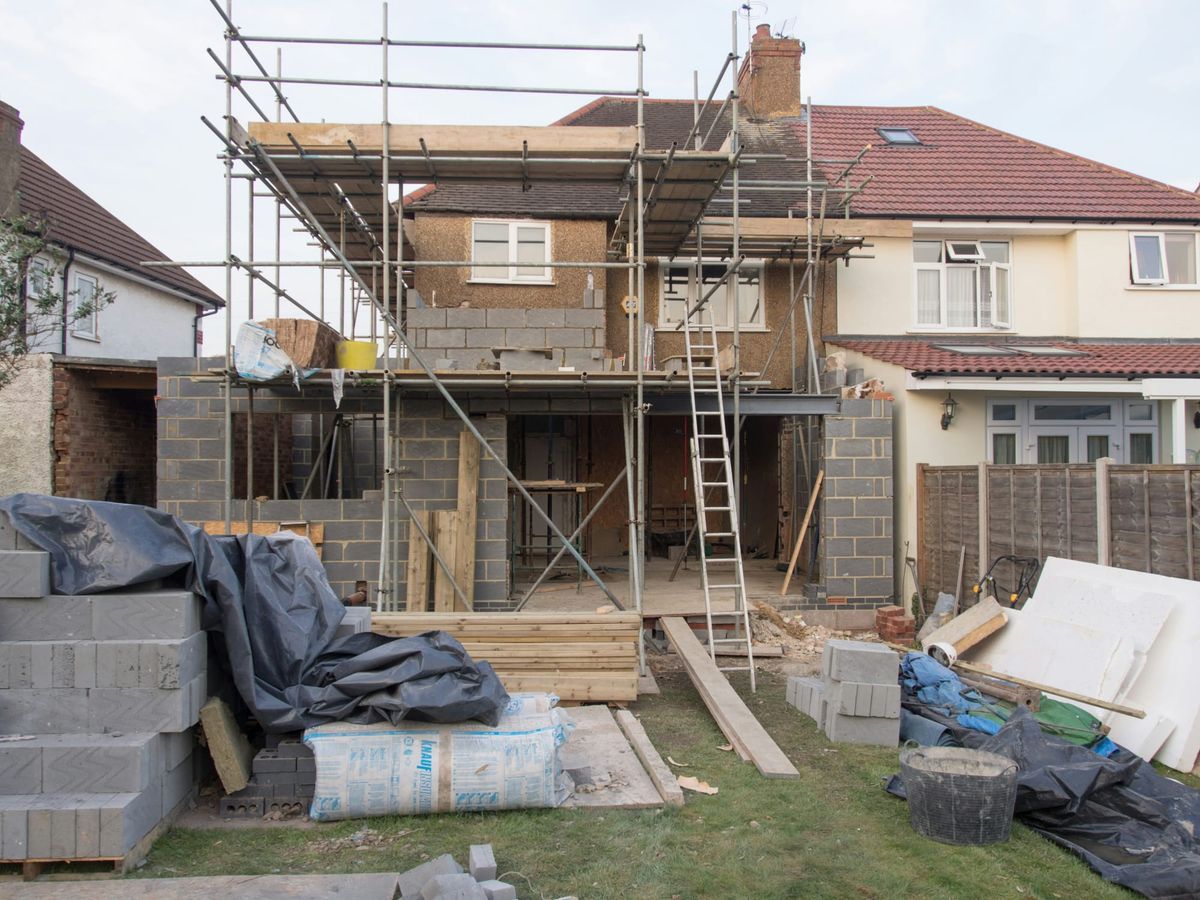
home renovation loans have different costs across lenders. borrowers tend to focus on the interest rate first. the final amount paid depends on several other factors, since processing fees, loan tenure, prepayment penalties, and tax rules all play a role.
a lower rate does not always mean a cheaper loan. high fees can wipe out any interest savings. comparing the total repayment amount over the full term is more useful than looking at individual numbers.
tenure
tenure periods are not the same everywhere. HDFC bank gives up to 15 years. Bank of Baroda gives up to 30 years. a longer tenure means smaller monthly payments but more total interest.
take a ₹10 lakh loan at 8% interest. over 15 years, the total interest is about ₹7.3 lakh. over 30 years, the total interest is about ₹16.4 lakh. the borrower pays more than twice the interest with the longer tenure.
prepayment charges
floating rate loans usually have no prepayment charges. fixed rate loans often charge 2% to 5% for early closure. Tata Capital charges 2.00% if more than 25% of the loan is prepaid after 6 months. HDFC bank allows prepayment without charges for individual borrowers but charges 2% for others. prepayment charges matter for borrowers who plan to close the loan early.
tax benefits
renovations for structural repairs or additions qualify for tax benefits under section 24(b) of the income tax act. interest paid on a loan for renovation or extension is deductible up to ₹30,000 per year. standard home loans allow deduction up to ₹2 lakh. the lower cap makes renovation loans less attractive from a tax perspective.
the principal component of a renovation loan does not qualify for deduction under section 80c. pre-construction interest is not deductible during the construction period. once construction is complete, it can be claimed in five equal instalments.
eligibility criteria
age requirements vary. Tata Capital requires applicants to be between 21 and 58 years with at least 2 years of work experience. lic housing finance has different interest rate slabs based on credit information bureau (India) limited (CIBIL) score. HDFC bank has different processing fees for salaried and self-employed applicants. eligibility should be checked before applying to save time and avoid rejection.
side-by-side comparison
| feature | Bank of Baroda | HDFC bank | Tata Capital | pnb housing finance | lic housing finance |
|---|---|---|---|---|---|
| interest rate (starting) | 7.20% | 7.75% | 10.99% | 9.45% | 7.50% (CIBIL 800+) |
| processing fee | up to 0.50% | up to 0.50% (salaried) | up to 2.00% | up to 0.50% | varies |
| tenure | up to 30 years | up to 15 years | up to 6 years | varies | up to 30 years |
| prepayment charges | no charges on floating rates | none for individuals | 2.00% after 6 months | varies | varies |
these figures are indicative and subject to change. checking with the lender on the day of application gives the current terms.
common mistakes to avoid
focusing only on the interest rate. a lower rate with high fees can cost more than a higher rate with low fees. calculating the total cost over the full tenure gives the true picture.
not checking prepayment charges. prepayment charges should be checked by borrowers who plan to close the loan early. floating rate loans typically have no charges, while fixed rate loans often do.
ignoring tax implications. renovation loans for structural repairs or additions qualify for tax deduction up to ₹30,000 per year. standalone renovation loans for cosmetic upgrades do not qualify. checking with a tax advisor before borrowing is advisable.
not factoring in margin money. lenders typically require 10% to 30% of the project cost to come from the borrower's own savings. this amount should be ready before applying.
incomplete property documentation. property title verification and legal checks can take 2 to 3 days. unclear titles or disputes add weeks to the process. property documents should be checked before applying.
frequently asked questions
1. what is the minimum CIBIL score for a home renovation loan?
most lenders prefer a score of 700 or above. a score of 750 or higher secures better rates. lic housing finance offers 7.50% for scores above 800 and 9.60% for scores below 600.
2. are property documents required for an unsecured renovation loan?
unsecured personal loans do not require property documents, since no collateral is involved. permanent account number (PAN), Aadhaar, and income proof are sufficient.
3. how long does a secured home renovation loan take for approval?
typically 2 to 4 weeks. this includes property valuation (2 to 3 days), legal verification of documents (2 to 3 days), and final approval.
4. what tax benefits are available for home renovation loans?
interest paid on loans for structural repairs or additions qualifies for deduction up to ₹30,000 per year under section 24(b). the principal component does not qualify for deduction under section 80c.
5. can a top-up home loan be used for renovation?
top-up loans are available to existing home loan borrowers with a clean repayment track record. they carry the lowest interest rates among the three options and require minimal documentation.