what tips help me to get approved for a consumer loan with a low credit score?

a low credit score makes loan approval harder, but it does not make it impossible. several strategies can improve the chances of getting a consumer loan even when the score is below 650.
offsetting the weak credit profile with other strengths is the approach. lenders look at income stability, existing debt levels, and the presence of a co-applicant or collateral. strengthening these areas can compensate for a low score.
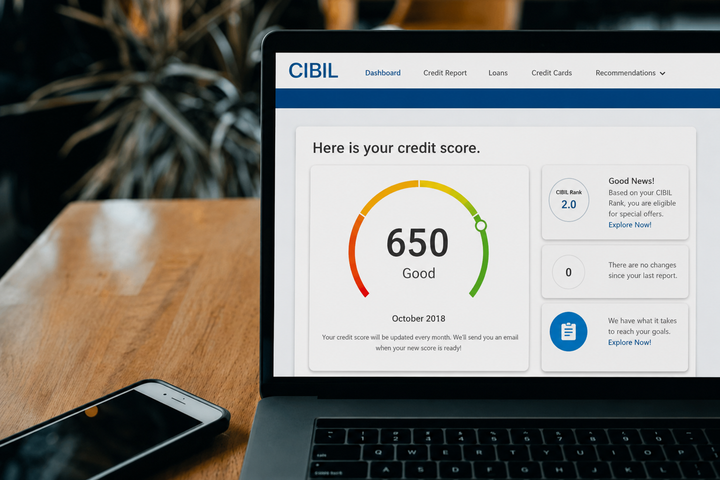
check the credit score before applying
knowing the exact score before applying sets realistic expectations. a score below 650 indicates higher risk to lenders, while scores above 700 get better terms. scores between 650 and 700 may still qualify, but at higher interest rates.
checking the credit report for errors is equally important. incorrect repayment information or delayed updates can harm the score unnecessarily. correcting these errors before applying can improve the score and the chances of approval.
apply for a smaller loan amount
lenders are more comfortable approving smaller amounts for borrowers with low credit scores. a lower loan reduces the lender's risk and shows that the borrower is not overextending. the borrower can request a lower amount if the full amount is not approved.
add a co-applicant or guarantor
a co-applicant with a strong credit profile and steady income improves approval chances. the co-applicant takes joint responsibility for repayment, which lowers the lender's exposure. if the borrower fails to pay, the co-applicant becomes liable. this makes the lender more willing to approve the loan.
show stable income and employment
lenders consider income stability as important as credit score. providing recent salary slips, bank statements, and proof of additional income sources can help. a steady job history or business continuity of at least 3 years improves the borrower's profile. demonstrating that the income is sufficient to cover the equated monthly instalment (EMI) convinces the lender about repayment capacity.
keep the debt-to-income ratio low
the debt-to-income ratio (DTI) measures how much of the monthly income goes toward loan payments. a DTI of 35% or lower is considered good. a low DTI signals that the borrower has enough income to manage additional debt. clearing existing loans or credit card dues before applying improves the ratio and the approval chances.
consider secured loans
offering collateral like gold, fixed deposits, or property can make approval easier. secured loans reduce the lender's risk because the asset can be recovered if the borrower defaults. gold loans, in particular, do not require a credit score check and can be obtained within hours.
choose NBFCs and fintech lenders over traditional banks
traditional banks tend to have rigid credit score cut-offs. non-banking financial companies (NBFCs) and fintech lenders offer more flexibility. they assess borrowers using alternative data: bank statements, employment records, and spending patterns. some NBFCs accept scores as low as 650, though interest rates are higher in such cases.
avoid multiple loan applications
each loan application triggers a hard inquiry on the credit report. multiple inquiries in a short period lower the score and signal credit hunger. applying to one lender at a time and waiting for a response before trying another is advisable.
be transparent about the financial situation
explaining the reason for the loan and the plan for repayment can help. providing documents for the urgent expense, if applicable, sometimes helps lenders see the need beyond just the numbers.
build credit before applying if possible
if the loan is not urgent, taking a few months to improve the score is advisable. paying all bills on time, keeping credit utilisation under 30%, and clearing outstanding debts can raise the score. even a small improvement can make a difference in the interest rate offered.
frequently asked questions
1. what credit score is considered low for a consumer loan?
a score below 650 is typically viewed as low. borrowers in this range are seen as higher risk, which makes approval harder and pushes interest rates up.
2. is a consumer loan possible with a score below 600?
choices exist but are limited. some NBFCs and fintech lenders work with scores as low as 575 to 600. the rates are higher and the amounts are smaller. secured loans backed by collateral are a more accessible route.
3. does adding a co-applicant guarantee loan approval?
it is not required, though it significantly improves the chances. the co-applicant's credit score and income must be strong. the lender evaluates both applicants together, and if the co-applicant's profile is good, approval is more likely.
4. what is the minimum income required for a consumer loan with a low credit score?
the requirement varies by lender. most lenders expect a minimum monthly income of ₹15,000 to ₹25,000. a higher income can offset a low credit score. some lenders require income proof of at least ₹25,000 for salaried applicants.
5. how long does it take to improve a credit score before applying?
improving a score takes time. timely payments, reducing credit utilisation, and clearing debts can show results in 6 to 12 months. some improvements may appear within 3 to 6 months if the issues are minor.