what are the processing times and deadlines for a festival advance application?
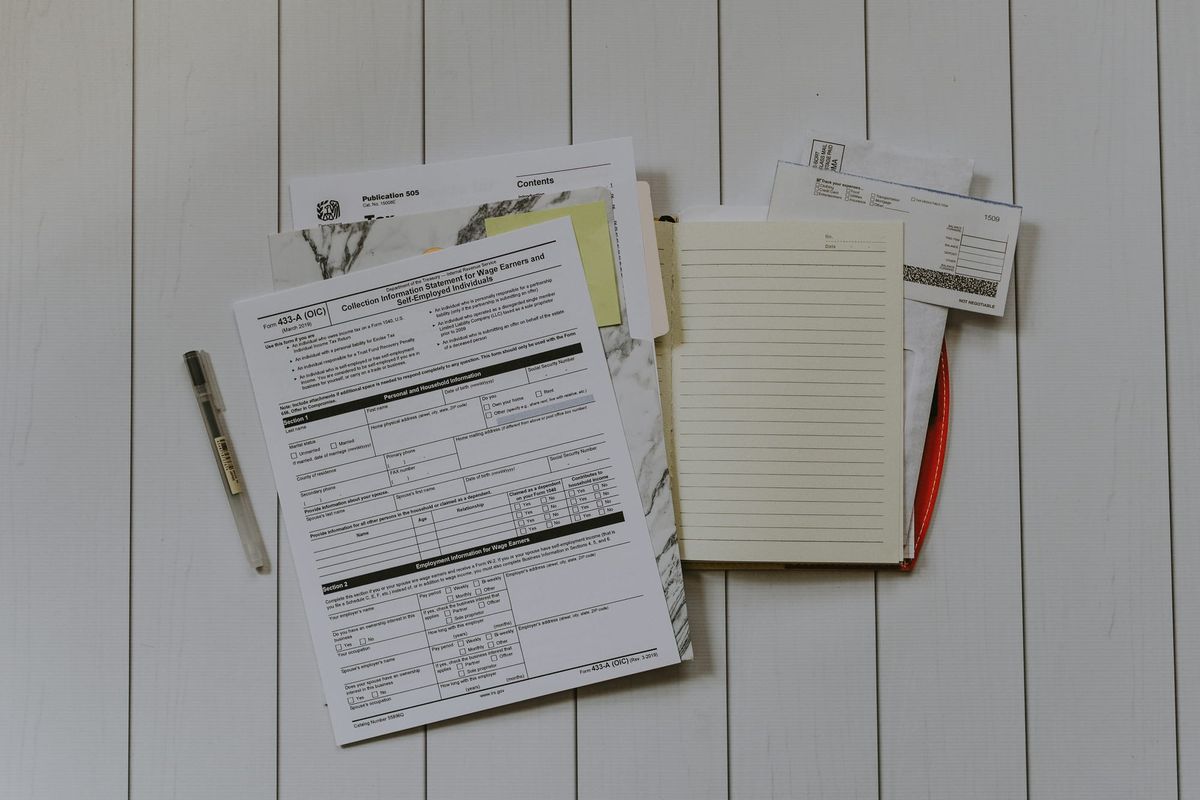
a festival advance application takes 2 to 5 days to process at a small company and 5 to 10 days at a medium or large one, with the money usually credited 3 to 5 days before the festival. the submission deadline generally falls 15 to 30 days before the festival date, and it is the single item that decides most outcomes.
an application filed after the cutoff is not processed. employers run festival advances as one batch, so once HR has collected the forms and finance has scheduled the transfer, the file is closed and adding a name later means redoing the whole set. submitting 2 to 3 weeks ahead of the deadline leaves room for the two most common causes of delay, which are processing backlogs and incorrect bank details.
the exact dates come from the employer's own policy, circulated by HR or finance before the season begins. the ranges below describe what most organizations follow, while the policy document is what governs any individual application.
what is a festival advance
a festival advance is money borrowed from the employer against upcoming salary. the employee requests an amount, the company releases it, and the same amount is recovered from the next three to six payslips.
a festival advance is interest-free wherever it is offered, against 12% to 18% on a bank personal loan, and it involves no credit check, no collateral, and very little paperwork. other government advances, the house building advance among them, do carry interest, but the festival advance itself does not. the 7th Pay Commission had recommended discontinuing interest-free advances, which is why availability varies from one employer to the next, and the circulated policy is the document that settles the terms.
typical timeline for a festival advance
| stage | when it happens | what happens |
|---|---|---|
| announcement | 45 to 60 days before the festival | the company circulates the policy, the maximum amount, and the repayment terms |
| application window opens | 30 to 45 days before the festival | the submission form becomes available, on paper or online |
| application deadline | 15 to 30 days before the festival | the last date to apply, with no extensions |
| processing | 2 to 10 days after submission, depending on company size | HR verifies the applications and finance approves them |
| disbursal | 3 to 5 days before the festival | money is credited to the bank account |
| repayment begins | the next salary cycle | the amount is deducted across 3 to 6 instalments, or up to 10 under the central scheme |
a Diwali falling on 12 November shows how these dates line up in practice. the company announces the advance on 15 September, the application window opens on 1 October, and the deadline closes on 15 October. processing runs from 16 to 25 October and the money reaches the bank account by 8 November. an application dated 14 October moves through, while one dated 20 October does not.
why festival advance deadlines are strict
employers process these advances in bulk rather than one at a time. a single person in HR collects every form, a single person in finance calculates the totals, and one payment file goes to the bank, and that sequence runs once per season. after the cutoff the file is closed and the transfer is already scheduled, so accommodating one more application means repeating the entire exercise.
payroll is the second constraint. the deduction has to be configured before the payroll run, and payroll runs on fixed dates that do not shift for a single case. a deadline that holds firm is what keeps the process workable for several hundred employees at once.
what affects festival advance processing time
| factor | effect on processing time |
|---|---|
| company size | a company of around fifty employees clears applications in 2 to 3 days, while one with several thousand takes 7 to 10 days because of higher volume and more approval layers |
| document accuracy | incorrect bank details, a mismatched amount, or missing information causes a delay or an outright rejection |
| manager approval | required at some employers, which means the application waits while the reporting manager is unavailable |
how much can be borrowed as a festival advance
the advance is not calculated as a share of salary at all. it is a fixed rupee amount banded by pay level, and both the bands and the sums vary by employer, by state, and by year. the central government revived it as a one-time special festival advance of ₹10,000, interest-free and recoverable in up to ten instalments, while state schemes run their own fixed slabs, with West Bengal going up to ₹22,000 and Karnataka setting ₹25,000 in recent years. those figures belong to particular schemes rather than to a general entitlement, so the amount that applies is the one in the circulated policy.
repayment runs through salary deductions on a schedule set by the employer, commonly three to six months and up to ten instalments under the central scheme, which means take-home pay falls for that period by the amount of each instalment. an advance of ₹10,000 recovered over ten instalments reduces monthly take-home by ₹1,000, and the deduction is automatic rather than deferrable. the amount worth requesting is the one that still leaves the following months workable, rather than the maximum the policy allows.
how to apply for a festival advance
| step | what it involves |
|---|---|
| 1 | locating the policy on the HR portal, in the employee handbook, or in the circular emailed by finance |
| 2 | noting the deadline, with a reminder set roughly two weeks ahead of it |
| 3 | filling the form with name, employee ID, department, amount requested, and bank details |
| 4 | attaching any documents the policy asks for, which at some companies includes proof of the festival occasion |
| 5 | submitting before the deadline and retaining a screenshot or acknowledgement of the submission |
| 6 | waiting for the approval confirmation that HR or finance sends by email |
| 7 | checking the bank account 3 to 5 days before the festival |
| 8 | verifying the deduction on the next payslip against the agreed repayment schedule |
common reasons a festival advance application is rejected
- a missed deadline, which accounts for most rejections, since applications outside the window are not taken up individually
- an incorrect bank account number or IFSC code, which causes the transfer to fail even after approval
- a request above the policy limit, such as ₹50,000 where the cap is ₹25,000
- insufficient service, with some employers requiring six months or a year before an employee qualifies
- an unpaid advance from the previous year, which blocks a fresh one until it is cleared
- an active warning or performance improvement plan, which can suspend discretionary benefits at some employers
festive spending is discretionary, and an advance converts one month of extra spending into three to six months of reduced take-home pay. the relief the advance provides in the festival month is paid for out of the months that follow, which is the trade-off worth weighing before the amount is fixed.
frequently asked questions
can a festival advance application be submitted after the deadline
the cutoff is final at most employers. applications are processed in batches and the file closes on the deadline, after which individual requests are not taken up. HR can confirm the position under a specific policy, though exceptions are rare.
how long does a festival advance take after applying
medium and large companies take 5 to 10 days, and small companies take 2 to 5 days. an application submitted 2 to 3 weeks before the money is needed absorbs both the processing time and any correction the employer asks for.
is a festival advance deducted all at once or over time
the recovery is spread across salary cycles, commonly three to six months and up to ten instalments under the central scheme. an advance of ₹10,000 repaid over ten instalments is deducted at ₹1,000 a month from take-home pay.
can new joiners apply for a festival advance
this depends on the employer. some require six months of service, some require twelve, and some allow it with manager approval. the employee handbook carries the applicable rule.
what happens if I resign before the festival advance is repaid
the outstanding amount is recovered from the full and final settlement, which covers the last salary, leave encashment, and any bonus due. the employer recovers what it is owed before releasing the balance, so an advance taken during a period when a job change is likely reduces that final payout by whatever remains outstanding.