how do instant loan apps verify KYC and approve loans so fast?
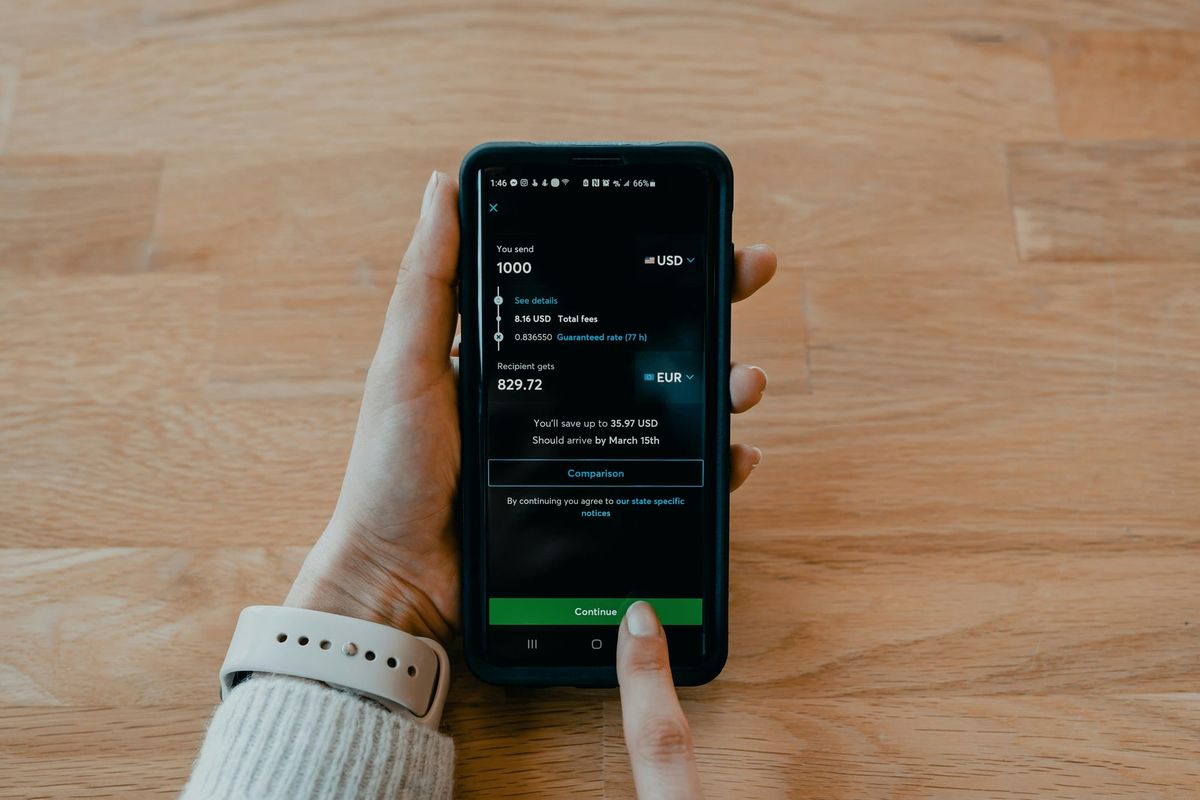
instant loan apps approve loans within minutes because they replace physical document verification with digital checks that run automatically. Aadhaar-based e-KYC confirms identity, PAN verification pulls the credit record, and consented access to bank account data establishes income, so a lender completes in seconds the assessment that once took days inside a branch.
the speed comes from automation rather than from a faster human review. an instant loan app does not wait for an officer to open documents, because it draws data directly from government databases, credit bureaus, and bank accounts. the applicant contributes very little to this, covering the Aadhaar number, the OTP that follows, the PAN, and consent for bank data access, while everything else runs in the background.
the trade-off sits in the pricing rather than in the process. an approval that arrives in minutes still carries an interest rate, a processing fee, and a repayment obligation that outlast the convenience, and the rates on these apps are usually well above what a bank charges on a personal loan.
what is e-KYC and how does an instant loan app verify KYC
e-KYC is the digital form of the know your customer process, and it removes the need for scanned copies by taking information from the source that issued it. verification begins with the Aadhaar number, which triggers an OTP to the mobile number registered against that Aadhaar, after which the lender retrieves name, date of birth, and address straight from the Unique Identification Authority of India (UIDAI) database. physical Aadhaar copies and a separate address proof become unnecessary as a result.
some apps extend this through DigiLocker integration, fetching government-issued documents from the digital repository and removing manual upload entirely. providing the PAN number lets the lender pull the CIBIL score and credit history in real time, which replaces the older practice of requesting a credit report and waiting for it to arrive. video KYC is a further option at some lenders, where a short call through the app confirms identity in a few minutes.
for an eligible applicant, this identity and credit verification finishes in under two minutes with no document uploaded at any point. the conditions attached to it still matter, because the Aadhaar-linked mobile number has to be active to receive the OTP, and a mismatch between Aadhaar records and PAN details pushes the application into manual review, which removes the speed advantage the app was chosen for.
how instant loan apps assess credit without documents
once identity is confirmed, the app assesses creditworthiness in real time using several data sources at once. the PAN number pulls the CIBIL score and repayment history, where a score of 750 or above typically secures the best terms, while scores below 650 may still be approved by some NBFCs at higher interest rates.
bank account data reaches the lender through consent given over a net banking login or an account aggregator, which allows the app to read salary credit history, month-end balances, and transaction patterns in place of salary slips and bank statements. a few lenders analyse SMS and other financial data for repayment history and spending patterns, an approach used mainly for first-time borrowers who do not yet have a credit score. platforms such as CASHe apply their own social loan quotient to assess creditworthiness, which opens access to first-time customers.
the decision engine combines these inputs and returns a credit decision in seconds instead of waiting for a loan officer to review files or place a call. the same automation that grants approval quickly also declines quickly, and a thin or damaged credit record is read by the system exactly as it stands, with no room for context or explanation.
the step-by-step process inside an instant loan app
the sequence is broadly consistent across instant loan apps, with small variations from one lender to another.
| stage | what happens |
|---|---|
| registration | the app is downloaded and a mobile number is registered, an OTP confirms the number, and basic details such as name, email, and age are entered |
| e-KYC | the Aadhaar number is entered and verified through OTP, and identity details are retrieved from the UIDAI database |
| credit check | the PAN is provided so the lender can pull the CIBIL score and credit history in real time |
| bank data consent | consent is given for bank account access through net banking or an account aggregator, replacing salary slips and statements |
| in-principle approval | the system runs its checks and displays the loan amount, interest rate, and tenure |
| acceptance and disbursal | the offer is accepted, e-sign and e-mandate for auto-debit are completed, and funds are credited to the bank account |
the fastest apps move from registration to disbursement in under 10 minutes, and some platforms have reached approval times below seven minutes by using DigiLocker single sign-on to retrieve government-verified documents instantly. the difference from a traditional bank loan is that no stage of this journey depends on manual review.
what makes instant loan approval possible
direct data access is the first of three elements behind the speed, since the lender relies on records pulled from government databases and credit bureaus rather than on what an applicant uploads, which takes document verification out of the timeline altogether. automated underwriting is the second, applying the lender's rules to that data so that approval follows when the criteria are met and rejection follows when they are not, without a person entering the loop.
pre-approved offers explain the shortest timelines of all, because an existing customer of a bank or platform already has KYC and repayment history on record, leaving only acceptance and e-sign to complete. speed is what these apps compete on, and the infrastructure is built for it rather than for manual oversight, which is also why an error in the underlying data becomes harder to correct once the decision has been issued.
what to check before using an instant loan app
fast approval says nothing about whether a loan is affordable or whether the lender is legitimate, and three areas deserve attention before an application is submitted.
RBI registration is the first of them. a legitimate lender operates as a bank, an NBFC, or a registered P2P platform, and apps outside that perimeter sit outside the formal system and carry higher risk, including in how they handle personal data and recovery.
the cost of the loan is the second. interest rates on instant loan apps run considerably higher than on bank personal loans, with some apps charging between 17% and 48% a year, and processing fees, assessment fees, and GST are deducted before the money reaches the account, so the amount disbursed is smaller than the amount sanctioned. these rates and charges are indicative, vary by lender and borrower profile, and change over time, which makes them worth confirming directly with the lender before an offer is accepted.
data permissions are the third. some apps request access to SMS, contacts, and the phone gallery, none of which is needed to approve a loan, and granting access to that data raises the risk of misuse. a faster approval also leaves less time to read the terms, which is when the interest rate, tenure, fees, and prepayment conditions carry the most weight.
frequently asked questions
how do instant loan apps verify identity without documents?
they rely on Aadhaar-based e-KYC. the Aadhaar number is entered in the app and verified through an OTP sent to the registered mobile number, after which the lender pulls name, date of birth, and address directly from the UIDAI database, so no physical document is required.
do instant loan apps check credit score?
most of them do, pulling the CIBIL score through the PAN number as part of the approval flow. some apps also read alternative data such as SMS history and bank account behaviour, mainly to assess first-time borrowers who have no credit history yet.
how long does approval take on an instant loan app?
in-principle approval is often instant or arrives within a few minutes, and the full journey from application to disbursement can finish in under 10 minutes for eligible applicants. some apps have reported approval times below seven minutes, though the timeline extends whenever Aadhaar, PAN, or bank details need manual checking.
are instant loan apps safe?
apps operated by RBI-registered lenders are generally safe to use, while unregulated apps that promise loans without any checks carry significant risk. confirming RBI registration before applying is the single most useful check available to a borrower.
why do instant loan apps have higher interest rates than banks?
these apps process applications faster and accept lower credit scores than most banks, and the convenience along with the wider access is priced into the rate. interest on such apps can run from 17% to 48% a year, considerably higher than a bank personal loan, and the gap is worth weighing against how urgently the money is needed.