can visa be rejected for taking travel loan?
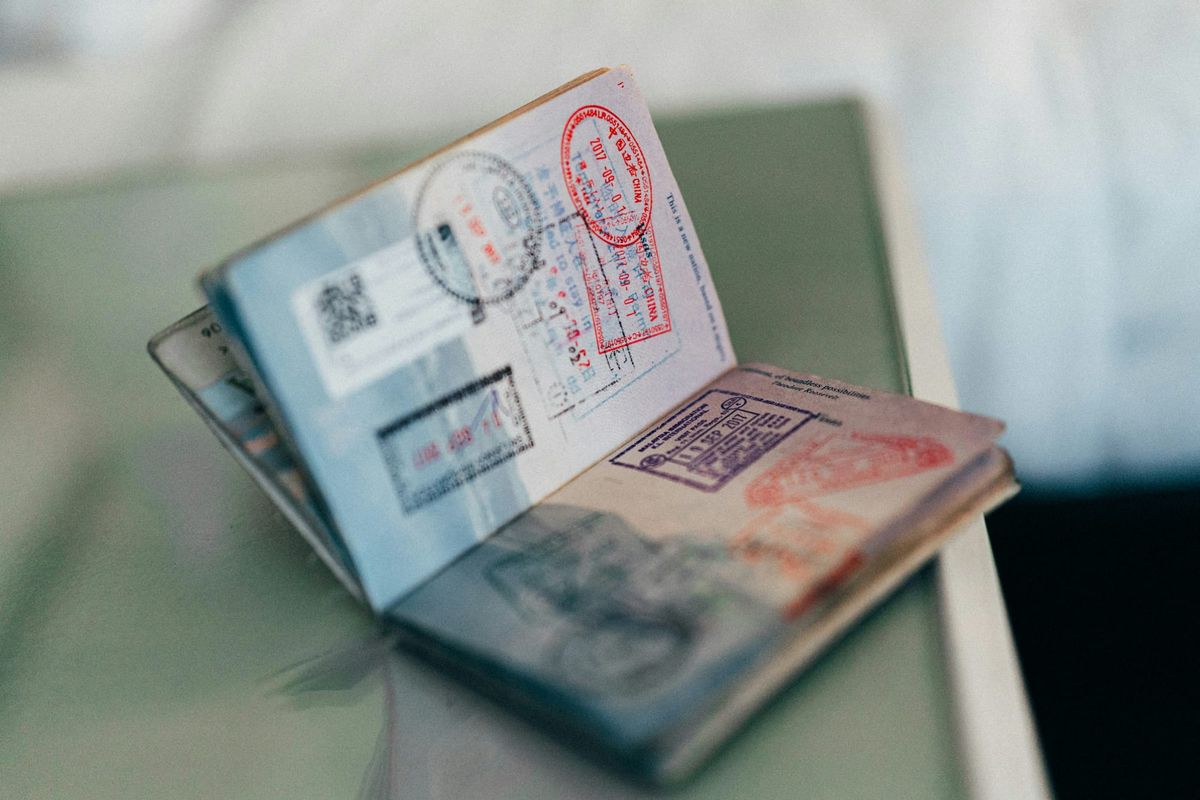
applying for a travel loan does not show up on a visa application. visa officers have no access to loan records unless the applicant shares them. rejection happens when the financial documents fail to prove that the trip is affordable and that returning to India is likely.
travel agents and forum discussions often give conflicting advice. some say a loan guarantees rejection, others say it does not matter. the truth is that embassies care about the overall financial picture, not where the money came from. a loan only becomes an issue when it creates gaps in that picture.
what visa officers actually check
visa officers evaluate two main factors: whether the applicant has enough money for the trip and whether there are strong reasons to return home. a travel loan can help with the first but may create concerns about the second.
sufficient funds for the trip. covering flights, accommodation, daily expenses, and emergency costs is the minimum requirement. a travel loan increases the bank balance and helps demonstrate this. providing the loan sanction letter strengthens the financial proof.
reasons to return home. this is where most concerns arise. visa officers look for ties like a job, family, property, or ongoing financial obligations. a travel loan is itself a financial obligation in India. the applicant has a debt to repay, which gives a reason to come back.
the real issue is not the loan type but the overall financial picture. a sudden large deposit without explanation raises questions. inconsistent documentation, mismatched income, and unclear fund sources cause more rejections than the loan itself.
when a travel loan becomes a problem
the loan itself does not cause rejection. but certain situations can.
insufficient total funds. a ₹1 lakh loan for a trip that costs ₹2 lakh leaves a shortfall. the visa officer sees this gap and rejects the application. the loan amount plus existing savings must cover the full trip cost with a buffer for emergencies.
high existing debt. lenders typically expect total equated monthly instalments (EMIs) to stay within 40% to 50% of monthly income. if a loan is already approved, the officer sees the EMI deduction in bank statements. a high debt burden raises doubts about whether the applicant can manage both the trip and loan repayment.
unstable employment. visa officers check how long the applicant has been in the current role. a recent job change combined with a new loan may raise questions about repayment capacity and the likelihood of returning.
unexplained deposits. a loan amount appearing as a sudden deposit without documentation looks suspicious. the loan sanction letter clarifies the source and prevents this concern.
incomplete documentation. embassies require bank statements, income proof, and employment letters. missing or inconsistent documents lead to rejection regardless of the loan.
credit score and visa processing
a credit score does not directly determine visa approval. embassies do not pull credit scores directly. but the score affects the loan approval process, which shows up in bank statements and financial documentation.
a high score signals financial stability and supports the overall credibility of the applicant. a score below 650 may raise concerns about financial management. these concerns can increase scrutiny during the visa assessment.
the score matters indirectly. it determines whether the loan gets approved. if the loan is approved, the bank statements show the credited amount and the repayment schedule. these documents are part of the visa application. a low score may lead to loan rejection, which leaves the applicant without sufficient funds.
what to do if taking a travel loan for a visa application
the following steps help avoid rejection.
ensure the loan covers the full trip cost. the bank balance should show sufficient funds for the entire trip, including a buffer for emergencies. the loan amount plus existing savings must cover all expenses.
keep documentation ready. the loan sanction letter, bank statements showing the credited amount, and the repayment schedule should be available. explaining the source of funds in the visa interview is essential.
avoid large unexplained deposits. if the loan amount appears as a sudden deposit, be prepared to explain it. the loan sanction letter serves as this explanation.
check employment and income stability. a stable job with consistent income strengthens the application. frequent job changes or gaps in employment raise questions.
maintain a low debt-to-income ratio. existing EMIs should stay under 40% of monthly income. a high ratio suggests the applicant cannot afford additional financial obligations.
frequently asked questions
1. does taking a travel loan affect the visa decision directly?
the loan itself does not cause rejection. visa officers look at the overall financial picture, not the source of funds.
2. why do some visa agents say a travel loan leads to rejection?
some agents assume that showing a loan signals financial weakness. in practice, a loan is acceptable as long as the trip is fully funded and the applicant has repayment capacity.
3. can a travel loan help with visa approval?
a travel loan increases the bank balance and shows sufficient funds. the loan sanction letter explains the source of funds.
4. what documents should be prepared for a visa with a travel loan?
the loan sanction letter, bank statements with the credited amount, income proof, employment letter, and the loan repayment schedule.
5. can a loan rejection affect the visa application?
the loan application is separate from the visa process. visa officers do not see loan rejections. only the final approved loan appears in bank statements.