can I get a personal loan without an it return (ITR) or with limited ITR documentation?
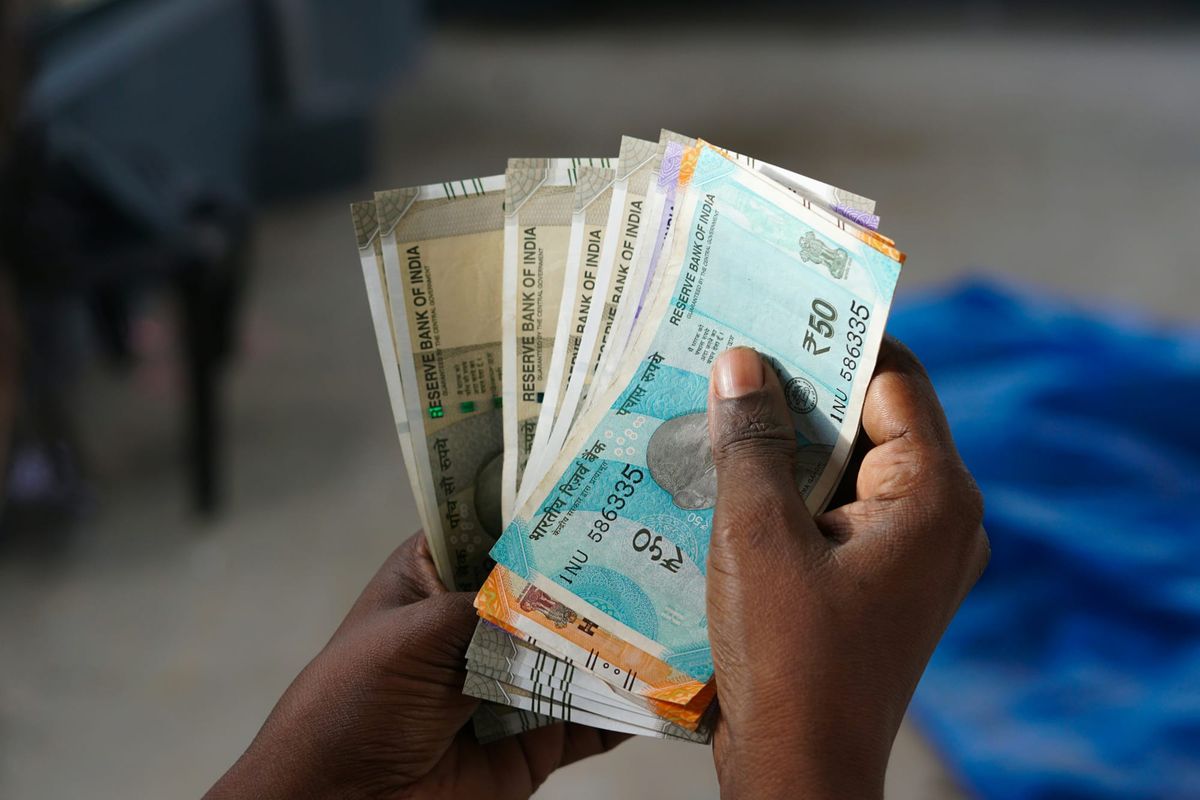
getting a personal loan without an ITR is not impossible. the borrower's profile and the lender's approach decide the outcome. salaried applicants have a clear advantage. many lenders accept salary slips, bank statements, and Form 16 when ITR is missing.
self-employed borrowers face stricter rules. banks and NBFCs typically want IT returns from the last 2 to 3 years. the ITR confirms income stability and tax compliance. some lenders, especially fintech platforms and certain NBFCs, accept other proof.
when is ITR required
traditional banks generally insist on income tax return (ITR) for self-employed applicants. Punjab National Bank asks for IT returns from the last three financial years for non-salaried applicants. Canara Bank's doctor loan scheme requires ITR from the last two years for medical professionals. without ITR, self-employed individuals find it tough to get a loan from a traditional bank.
salaried applicants have a smoother journey. if the income does not reach the taxable limit, ITR may not be filed. banks then use salary slips, Form 16, and bank statements to check income. some employers deduct tax deducted at source (TDS), making Form 16 a valid replacement for ITR.
alternative documents that can replace ITR
salary slips. salaried applicants can provide the last 2 to 3 months of salary slips as proof of income. this works when ITR is not available.
Form 16. this document from the employer shows tax deducted at source. it serves as official income proof even without a filed ITR.
bank statements. 6 to 12 months of bank statements showing regular credits can substitute for ITR. lenders check for consistent inflows and stable balances.
GST returns. for business owners and freelancers, Goods and Services Tax (GST) filings can demonstrate business revenue and compliance.
profit and loss statements. self-employed applicants can provide ca-certified financial statements as alternative income proof.
lenders offering loans without ITR
digital lenders and fintech platforms. several fintech lenders offer personal loans with minimal documentation. some platforms require only permanent account number (PAN) and Aadhaar, with no ITR, salary slip, or bank statement required. other lenders also require just PAN and Aadhaar, with income verification done digitally through net banking consent.
NBFCs. non-banking financial companies are more flexible than traditional banks. they use alternative data like credit score, bank account activity, and employment records to assess repayment capacity. some non-banking financial companies (NBFCs) accept borrowers with scores as low as 650 for loans without ITR.
banks with digital products. some banks offer digital loan products that require no document uploads. only PAN and Aadhaar are needed to complete the application. certain banks also offer a 100% paperless application process with no income proof requirement.
role of credit score when ITR is missing
the credit score becomes the most important factor when ITR is not available. a score of 750 or above significantly improves approval chances. without income proof, lenders rely heavily on past repayment behaviour to assess risk.
a high credit score can offset the lack of ITR. borrowers with a 750+ score and no ITR typically receive better terms than borrowers with ITR but a lower score. the credit score signals financial discipline and repayment capacity.
what to check before applying without ITR
interest rate. without ITR, lenders may charge a premium of 1% to 2% above standard rates. comparing rates across lenders helps find the best deal.
processing fee. some lenders charge higher fees for loans without income documents. checking the total cost before accepting is essential.
credit score. checking the score before applying helps set realistic expectations. a score above 750 improves chances.
eligibility. each lender has different criteria. some accept scores as low as 650, while others require higher. eligibility should be confirmed before applying.
secured options. if a personal loan is not approved, secured loans like gold loans or loans against fixed deposits can be alternatives. these require no ITR because the collateral reduces lender risk.
frequently asked questions
1. can self-employed individuals get a personal loan without ITR?
options exist but are limited. some NBFCs and fintech lenders accept alternative documents like bank statements and GST returns. traditional banks typically require ITR for self-employed applicants.
2. what is the minimum credit score for a loan without ITR?
a score of 750 or above is preferred. some lenders accept scores as low as 650, but interest rates are higher.
3. can I get a personal loan without any income proof?
difficult. even without formal documents, lenders need some evidence of repayment capacity. bank statements showing regular credits, collateral, or a co-applicant with steady income are usually required.
4. do NBFCs offer personal loans without ITR?
many NBFCs and fintech lenders offer loans without ITR. they use credit score, bank statements, and employment records to assess eligibility.
5. what documents can replace ITR for a personal loan?
salary slips, Form 16, bank statements (6 to 12 months), GST returns, and profit and loss statements can substitute for ITR.