are online loan apps and platforms like CRED safe to use for personal borrowing?
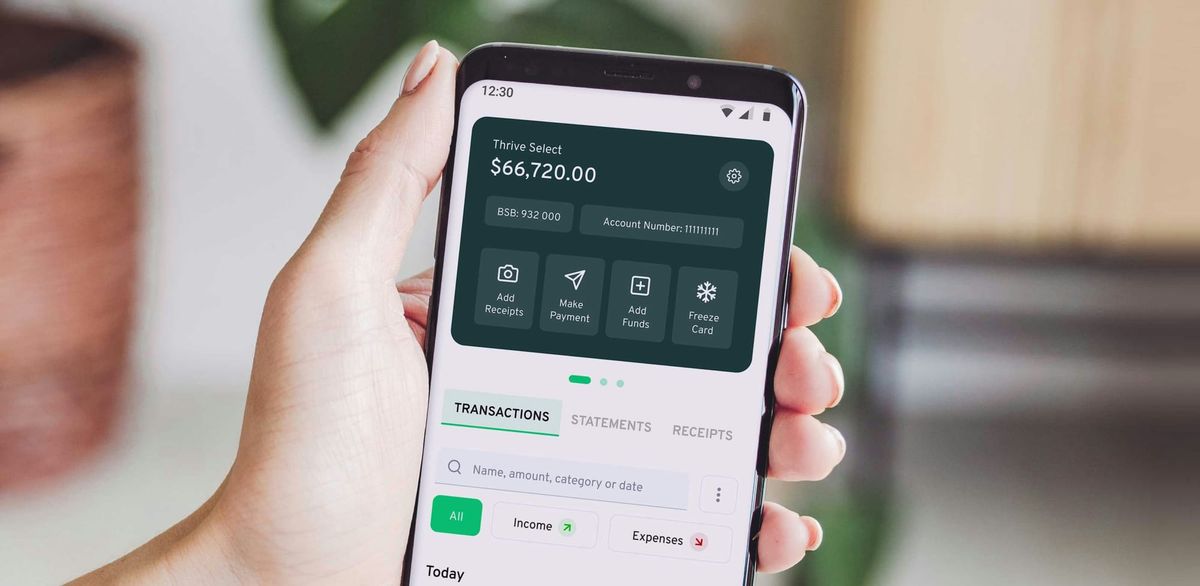
the safety of an online loan app rests on the identity of the entity actually lending the money. where that entity is a bank or an NBFC registered with the RBI, the app meets the baseline for safe personal borrowing, and CRED sits in that category because its personal loans are extended by RBI-regulated lending partners. an app store rating or a large download count indicates popularity and says nothing about whether the lender behind the app answers to the RBI.
the RBI requires every digital lending app to name the regulated entity providing the money, state the annual percentage rate, or APR, in full, and share the contact details of a grievance officer before any loan is disbursed. these disclosures have to appear upfront rather than inside a terms page, and an app that omits them or places them several screens deep has already fallen short of what regulated lending requires.
so the practical test for any online loan app is not how it looks or how quickly it disburses, but whether the disclosed lending partner appears on the RBI list of registered entities, and whether the APR and total repayment amount are visible in writing before acceptance.
how to check if an online loan app is safe
the check takes a few minutes and needs no financial expertise. the RBI publishes a list of registered NBFCs on its website, and cross-checking the name of the lending partner against that list is the most reliable single step available to a borrower. a few other signals fill in the rest of the picture.
| what to check | a regulated lending app | an unregistered or risky app |
|---|---|---|
| lending partner name | disclosed clearly before disbursal | hidden, vague, or missing altogether |
| interest rate and APR | shown upfront and in writing | only a headline claim such as rates starting from a low figure |
| data access requested | KYC documents, income proof, and bank statements | contact list, photo gallery, and call logs |
| recovery practices | written notices and a defined process under the RBI fair practices code | calls to personal contacts, threats, and harassment |
| grievance contact | a named officer and a registered address | no address and no support channel |
a request for contact list or photo gallery access during onboarding is the clearest warning sign in that list. lending under the RBI digital lending framework has no use for that access, either to assess a loan or to recover one, which is why the request itself signals an app operating outside the framework.
what the RBI digital lending guidelines require
the RBI digital lending guidelines issued in 2022 apply to every regulated entity that offers loans through an app, which includes platforms such as CRED that route personal loans through NBFC and bank partners. one core requirement is that the loan agreement comes directly from the regulated lender rather than from the app or any intermediary between the two.
another is the cooling-off period, a window in which a borrower can exit the loan by repaying the principal along with proportionate interest and no separate penalty. informal and unregistered lending never carried these protections, and the guidelines exist to close that gap.
a borrower on a compliant app knows the identity of the lender, sees the interest rate before signing, and has a defined place to take a complaint. these are the conditions a regulated lender is required to meet rather than features that distinguish one app from another.
why the lending partner matters more than the app itself
the app is the interface, and the money comes from a bank or NBFC that the app has partnered with. the registration status of that partner is what makes the loan enforceable and what puts defined data protection obligations in place. CRED names its lending partners at the point of application, so those registration details can be verified independently against the list the RBI publishes.
the same standard applies across the category. any loan app is best judged on its disclosed lending partner rather than on brand recognition, app store rating, or the quality of its marketing.
what happens when a loan app is not properly registered
an unregistered app carries risks that go well past a higher interest rate. its recovery methods fall outside the RBI fair practices code, which makes contact with the personal network of the borrower, calls outside reasonable hours, and outright threats more likely rather than less.
there is also no grievance route, because an entity that is not registered answers to nobody under the RBI ombudsman framework. the registration check therefore carries its full value only before the loan is taken, since a complaint after disbursal has no regulated forum to go to.
checks worth completing before using any loan app
- the name of the lending partner, not only the name of the app, is what identifies who is actually extending the money.
- that name should appear on the RBI list of registered NBFCs and banks, which is public and searchable.
- the APR and the total repayment amount, read before acceptance, show the real cost of the loan rather than the advertised rate.
- permission requests for contacts, gallery, or call logs have no role in a regulated lending process and can be declined without affecting a legitimate application.
- the contact details of the grievance officer, noted at the time of application, are what make a complaint possible later.
frequently asked questions
how can I check if a loan app lender is registered with RBI
the RBI website lists every registered NBFC, and the name of the lending partner shown in the app can be checked against that list directly. the check applies to the lender rather than to the app, since the app itself is not the regulated entity.
what personal details do loan apps typically ask for
KYC documents, income proof, and bank statements make up the standard set for a regulated lender. access to the contact list, the photo gallery, or call logs falls outside that set and is not required to assess or service a loan.
is it safe to link Aadhaar and PAN to a loan app
with a registered lender it is safe, because KYC verification requires those documents by law and the lender is bound by the data protection obligations attached to its registration. the safety comes from the registration status of the lender rather than from the app interface.
why do some loan apps ask for access to contacts and gallery
that access has historically been used to pressure borrowers through their own network during recovery, a practice that sits outside the RBI fair practices code. an app requesting it during onboarding is signalling how it intends to handle a delayed payment.
what can be done if a loan app is harassing a borrower for repayment
the first route is a written complaint to the grievance officer named by the lender, whose details a regulated app is required to disclose. where that does not resolve the matter, the RBI ombudsman scheme and the local cyber cell are the next avenues, and both are available only when the lender is a registered entity.